

standing makeup mirror with lights
The Six-Sided Aluminum Alloy Angle Measuring Tool Precision in Design and Use In today's fast-paced and technology-driven world, precision is fundamental, especially in fields such as engineering, architecture, and construction. One of the tools that epitomizes the quest for accuracy is the six-sided aluminum alloy angle measuring tool. This innovative instrument is not only designed for measuring angles but is also engineered for durability and ease of use. Understanding the Design The six-sided angle measuring tool features an ergonomic design tailored to enhance the user experience. Crafted from high-quality aluminum alloy, this tool combines lightweight properties with remarkable strength. Aluminum alloy is known for its resistance to corrosion, which ensures longevity and reliability, making it an ideal choice for professionals who require consistent performance in various environments. The six-sided structure is quintessential for versatility, providing users with multiple measurement options in a single tool. Each side of the tool is marked with precise angle indicators, allowing users to measure angles ranging from acute to obtuse, and even right angles. The clear markings are often etched or laser-engraved to prevent wear and ensure visibility over time. Applications in Various Fields The applications of the six-sided aluminum alloy angle measuring tool are virtually limitless. In woodworking, for instance, carpenters utilize this tool to create precise joints and angles, ensuring that furniture and structures are both aesthetically pleasing and structurally sound. Similarly, in metalworking, fabricators rely on this tool to make accurate cuts and bends, which are crucial for the assembly of machinery and components. In the architecture and construction industries, professionals take full advantage of this measuring tool for layout work, ensuring that plans are executed with precision. The tool is invaluable when setting frameworks, installing cabinets, or laying out foundations. Furthermore, electricians and plumbers use it to ensure that installations comply with local codes and standards, thereby enhancing safety and functionality. six sided aluminum alloy angle measuring tool Ease of Use One of the standout features of the six-sided aluminum alloy angle measuring tool is its user-friendly nature. The tool is designed to be intuitive, making it accessible for both seasoned professionals and novices alike. With its lightweight construction, users can easily handle the tool for extended periods without experiencing fatigue. Additionally, many models incorporate features like a locking mechanism that helps secure the measuring angle in place, enabling users to transfer measurements accurately from one surface to another without error. Some advanced versions may even include built-in digital displays for quick readings, allowing for enhanced precision and efficiency in measuring. Maintenance and Care To maximize the lifespan and functionality of the six-sided aluminum alloy angle measuring tool, proper maintenance is essential. Users are advised to keep the tool clean and free from debris that could affect its measurements. A simple wipe with a clean, soft cloth after use is recommended, particularly if the tool has been exposed to moisture or dust. Storing the tool in a designated case or pouch can also prevent damage and scratches, preserving the integrity of its markings and overall functionality. Regularly checking for any signs of wear or misalignment will help maintain accuracy and prolong the tool’s usability. Conclusion In conclusion, the six-sided aluminum alloy angle measuring tool is an indispensable asset in various industries, offering precision, durability, and ease of use. Its innovative design and multi-functional capabilities make it a favorite among professionals tasked with the challenge of accuracy in their work. Whether used for simple DIY projects or intricate constructions, this tool stands as a testament to quality craftsmanship and a commitment to excellence in measurement. As technology advances, we can expect future iterations of this tool to continue evolving, further enhancing the precision and efficiency that professionals rely on.
about
standing makeup mirror with lights
Replacing the Outside Water Valve A Step-by-Step Guide The outside water valve is an essential component of your home's plumbing system. It controls the flow of water to your outdoor faucets and irrigation systems. Over time, wear and tear can lead to leaks or failures in the valve, necessitating a replacement. If you find yourself with a faulty outside water valve, don’t fret! Replacing it is a manageable DIY project that can enhance your home’s water efficiency. This article will guide you through the process of replacing the outside water valve. Tools and Materials Needed Before diving into the replacement process, ensure you have the necessary tools on hand. You’ll need - Adjustable wrench - Pipe wrench - Screwdriver - Teflon tape - Replacement valve (ensure you get the correct size for your system) - Bucket or towel (to catch any water) - Safety goggles and gloves Step 1 Turn Off the Water Supply Before you can replace the outside water valve, it’s crucial to turn off the water supply to prevent any flooding or leaks during the process. Locate the main water valve in your home and shut it off . Once this is done, relieve any pressure in the system by opening the nearest faucet to drain the water. Step 2 Remove the Old Valve Using your adjustable wrench, carefully disconnect the old water valve from the piping. Depending on how the valve is installed, you may need to use a pipe wrench to loosen stubborn connections. Be prepared for some water spillage, so keep your bucket or towel handy to soak up any escaping water. If the valve is particularly corroded or stuck, you can apply penetrating oil to help loosen it. Step 3 Clean the Threads outside water valve replacement With the old valve removed, take a moment to clean the threads on the piping. This step is crucial for ensuring a proper seal with the new valve. Use a wire brush or cloth to scrub away any debris or corrosion that may have accumulated over time. Step 4 Install the New Valve Before installing the new valve, wrap the threads of the pipe with Teflon tape. This tape helps prevent leaks and ensures a tight connection. Once wrapped, it’s time to thread the new valve onto the pipe. Hand-tighten it first, then use the adjustable wrench to secure it, being careful not to overtighten and cause damage. Step 5 Turn the Water Supply Back On After securely attaching the new valve, it’s time to turn the water supply back on. Slowly open the main valve and check for any leaks around the connection points of the new valve. If you notice any drips or water escaping, carefully tighten the connections until you achieve a leak-free seal. Step 6 Test the Valve With the water supply restored and the valve potentially fixed, it’s important to test its functionality. Open the outdoor faucet connected to the new valve to ensure water flows properly. Observe for any irregularities, like sputtering or pressure drops, which might indicate issues with the installation. Conclusion Replacing the outside water valve may seem daunting, but with proper tools and a clear understanding of the steps involved, you can accomplish it easily. Regular maintenance and timely replacement of plumbing components like the outside water valve can save you money in the long run and ensure your outdoor water needs are met efficiently. If at any point you feel uncomfortable with the installation, don’t hesitate to call a professional plumber for assistance. Happy plumbing!
-

High quality industrial productsagement

High quality industrial products
View Details -

Meet the diverse needs of customers

Meet the diverse needs of customers
View Details -

Strict quality control

Strict quality control
View Details -

Top raw materials

Top raw materials
View Details -

Trusted supplier

Trusted supplier
View Details
Our application
news and information

valvola di ritegno non slam
Valvole di Non Ritorno Un'Analisi Approfondita Le valvole di non ritorno, conosciute anche come valv
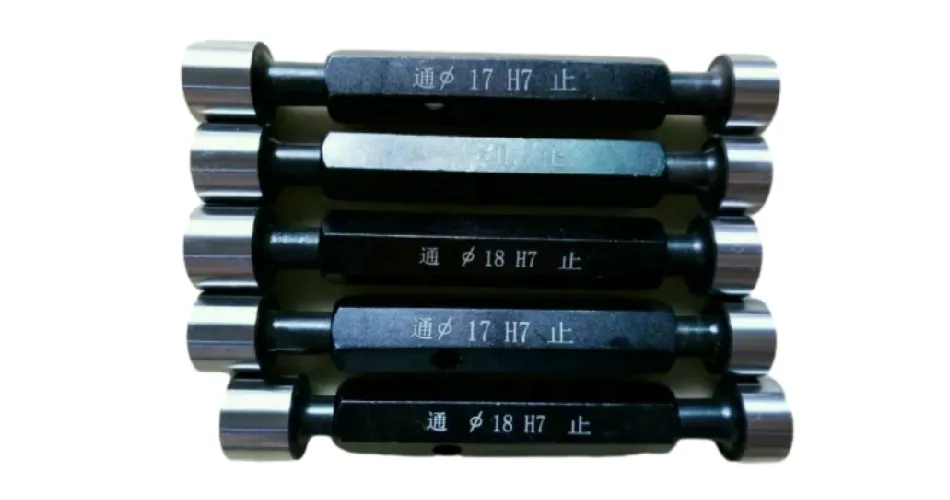
Wholesale Supply of High-Quality Ball Valves for Various Industrial Applications
The Wholesale Market for Ball Valves An In-Depth Analysis Ball valves are essential components in va

Vee Blocks Available for Purchase – High Quality Options to Choose From
Vee Blocks for Sale An Essential Tool for Precision Machining When it comes to precision machining,
 English